West of England
State of Nature


The West of England is a region rich in natural assets. Our rivers, landscapes and green spaces shape not only our environment, but our economy, our health, and our shared sense of place. They are fundamental to what makes this region successful and distinctive.”
Sumita Hutchinson – Chair, West of England Nature Partnership
Helen Godwin – West of England Mayor
.webp)
The State of Nature in the West of England
The West of England State of Nature report is the most ambitious and comprehensive study of our region’s wildlife ever undertaken. Over 33,000 records across 359 species were collected and analysed in the West of England’s first Wildlife Index. This gives us the most up to date picture of how our species numbers are changing. The species data underpinning this report exists thanks to the passion and persistence of volunteers, local recorders, and the natural history community who have dedicated thousands of hours to make this possible.
The report highlights where habitats are under pressure and where urgent action is needed to reverse species decline. It explores the forces that continue to shape our region, from climate change to urban growth, and how nature itself offers solutions to many of the challenges we face.
Our landscapes and habitats
Despite being relatively small in size, the West of England is a region of remarkable contrasts: from the World Heritage Site of Bath to the internationally important Severn Estuary, the rolling hills of the Cotswolds and the Mendips national landscapes.
Select an area above to find out more
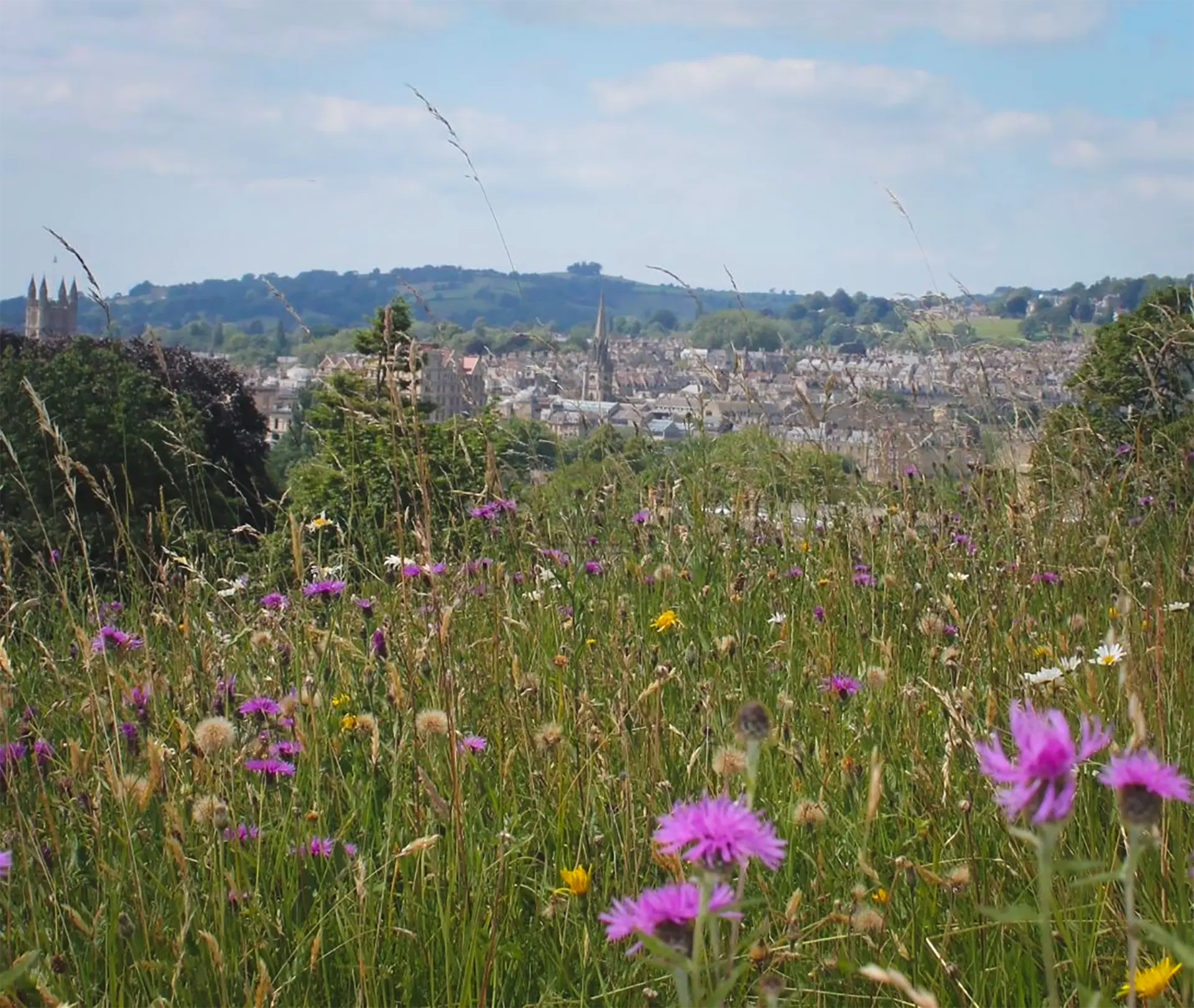
Bathscape
The stunning landscape of limestone valleys and plateaus surrounding Bath contains an exceptional concentration of species-rich grasslands, ancient woodlands and sites protected for nature. The landscape is one of the best bat hotspots in the country, hosting at least 15 of the UK’s 18 bat species, including 15% of the UK’s population of greater horseshoe bats and the extremely rare Bechstein’s bat. Its limestone grasslands are also home to several butterflies that are scarce in the West of England, such as the chalkhill blue, small blue and marsh fritillary.
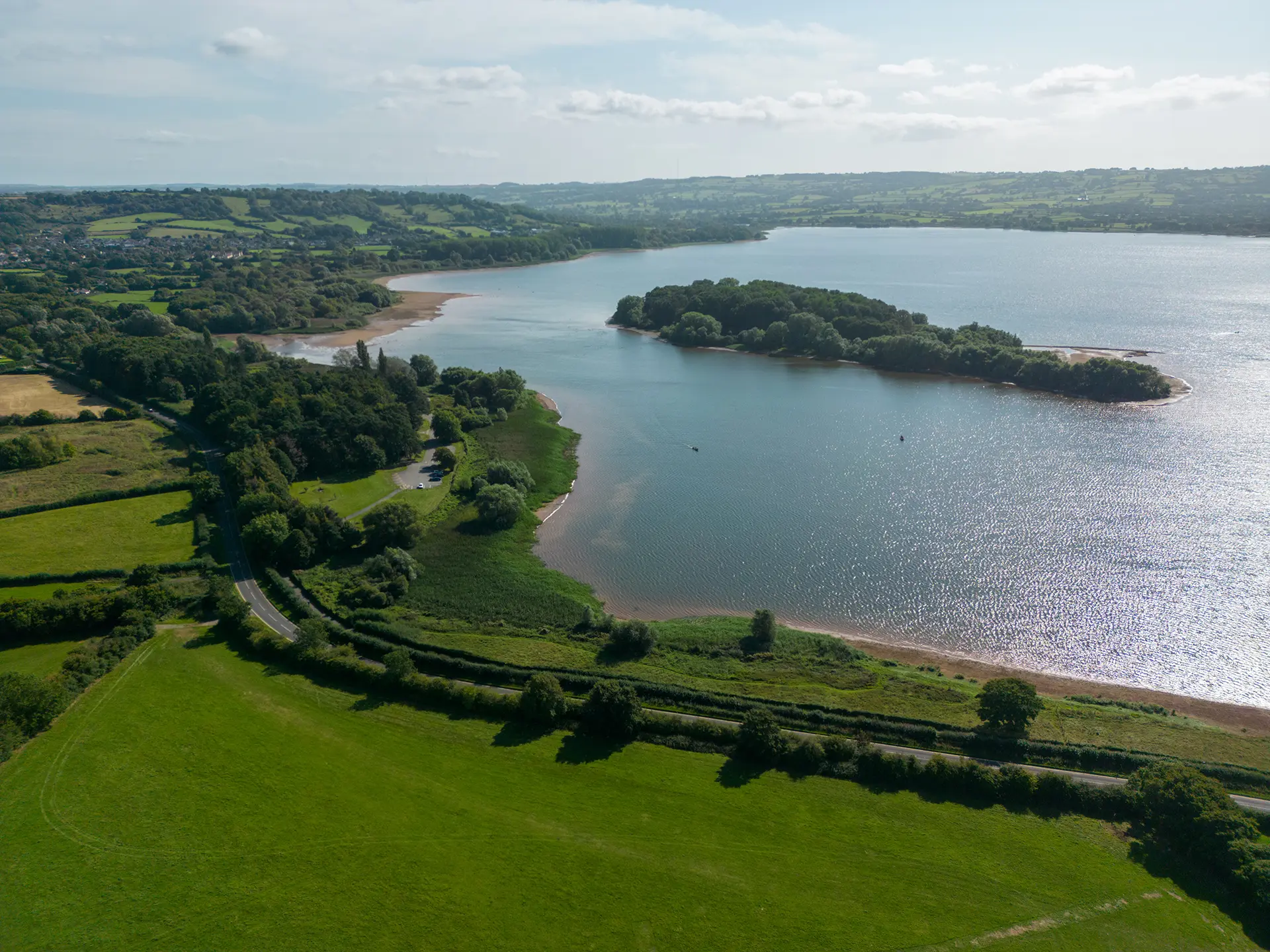
Chew Valley Lake
Our region is home to Chew Valley Lake, the largest lake in South-West England. It is designated as a Site of Special Scientific Interest and a Special Protection Area and is one of Britain’s most important sites for wildfowl. More than 30 species of mammals, including several bats, also live along its shores whilst its waters are alive with abundant water plants and aquatic insects.
.webp)
The North Somerset Levels
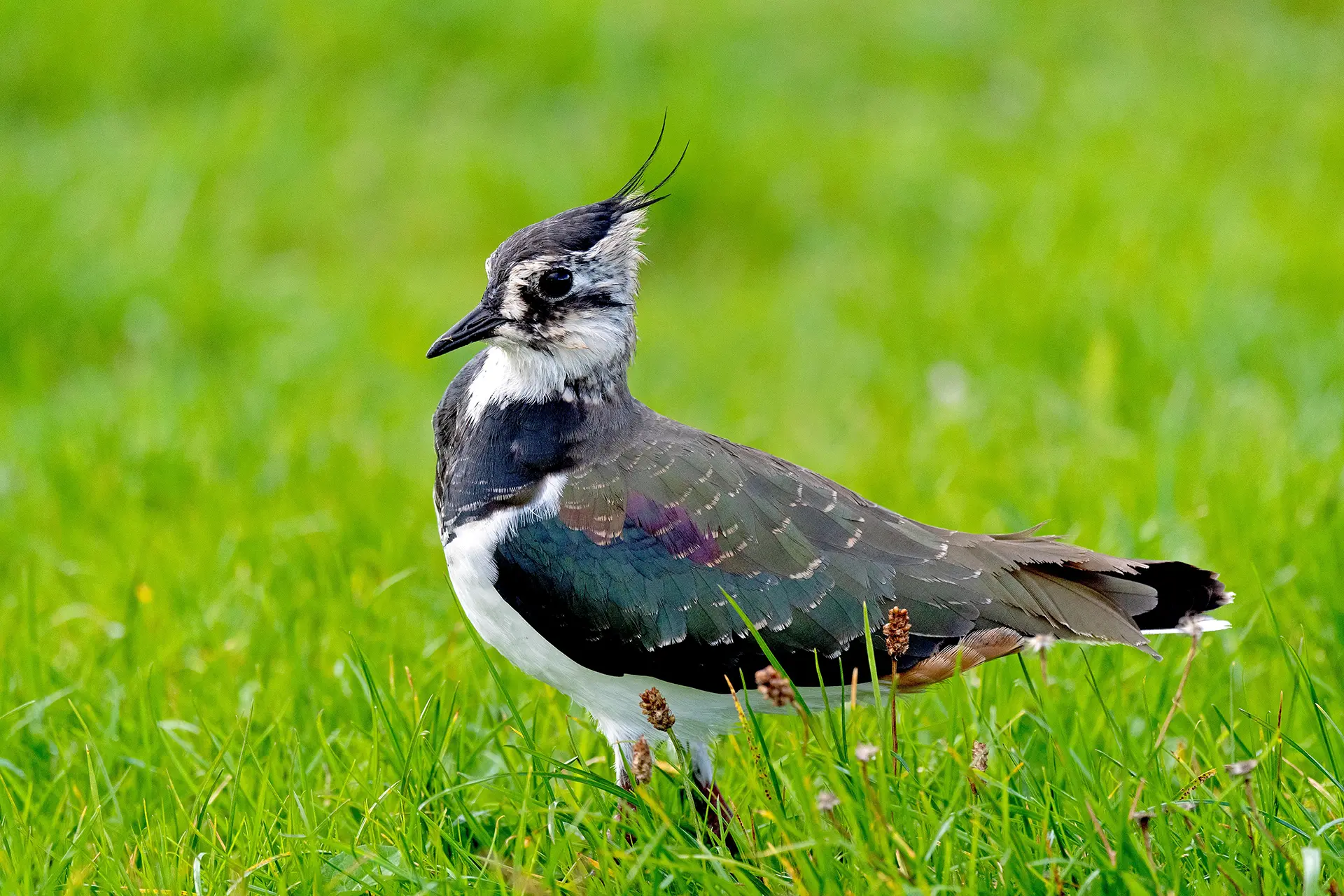
Covering around 8,000 hectares, the North Somerset Levels and Moors is an extensive low-lying wetland landscape that lies beneath the Mendip Hills. The Levels and Moors is an important area for wading birds such as lapwing, redshank, and snipe, and includes a significant amount of lowland peat. The Gordano Valley SSSI and National Nature Reserve, which contains rare lowland fen habitat, is a hotspot for rare wetland plants, a rich and diverse invertebrate fauna, wading birds, water voles, and newts.
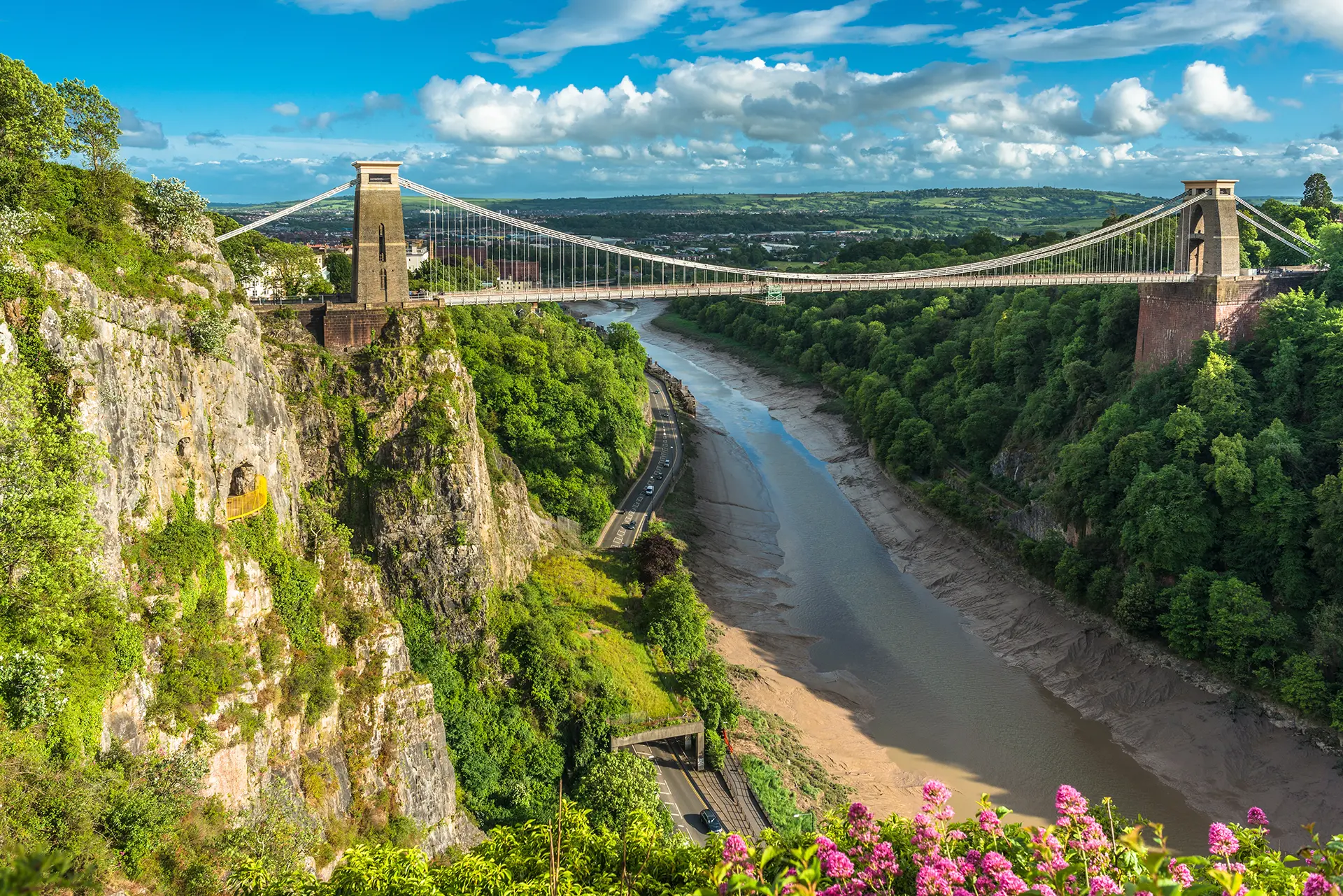
Avon Gorge
The Avon Gorge's limestone rockface makes it an exceptional place to find nationally rare plants, with over 30 different kinds of scarce plants growing here. This includes the unique Bristol onion and Bristol rock-cress, alongside multiple whitebeam tree species, some of which are found nowhere else in the world. Peregrine falcons also nest in the Gorge, and the silky wave moths here are found in only two other sites nationally.
.webp)
Mendip Hills
The Mendip Hills, designated as an Area of Outstanding Natural Beauty, are defined by a striking, dynamic landscape of steep slopes, rolling plateaus, breathtaking gorges, flower rich grasslands, and wooded combes. The Hills are a rare stronghold for adders and support a wide number of rare plant species and internationally important bat populations. The North Somerset and Mendip Bats Special Area of Conservation is home to 3% of the UK greater horseshoe bat population.
.webp)
Severn Estuary
The Severn Estuary is designated as a European Marine Site due to its international ecological importance as a Special Area of Conservation, a Special Protection Area, a Site of Special Scientific Interest, and a Ramsar site. Its waters sustain more than 100 fish species and spectacular numbers of invertebrates. Every winter, more than 74,000 migratory birds flock to its saltmarshes and mudflats, including six internationally important species and 11 species of national importance.
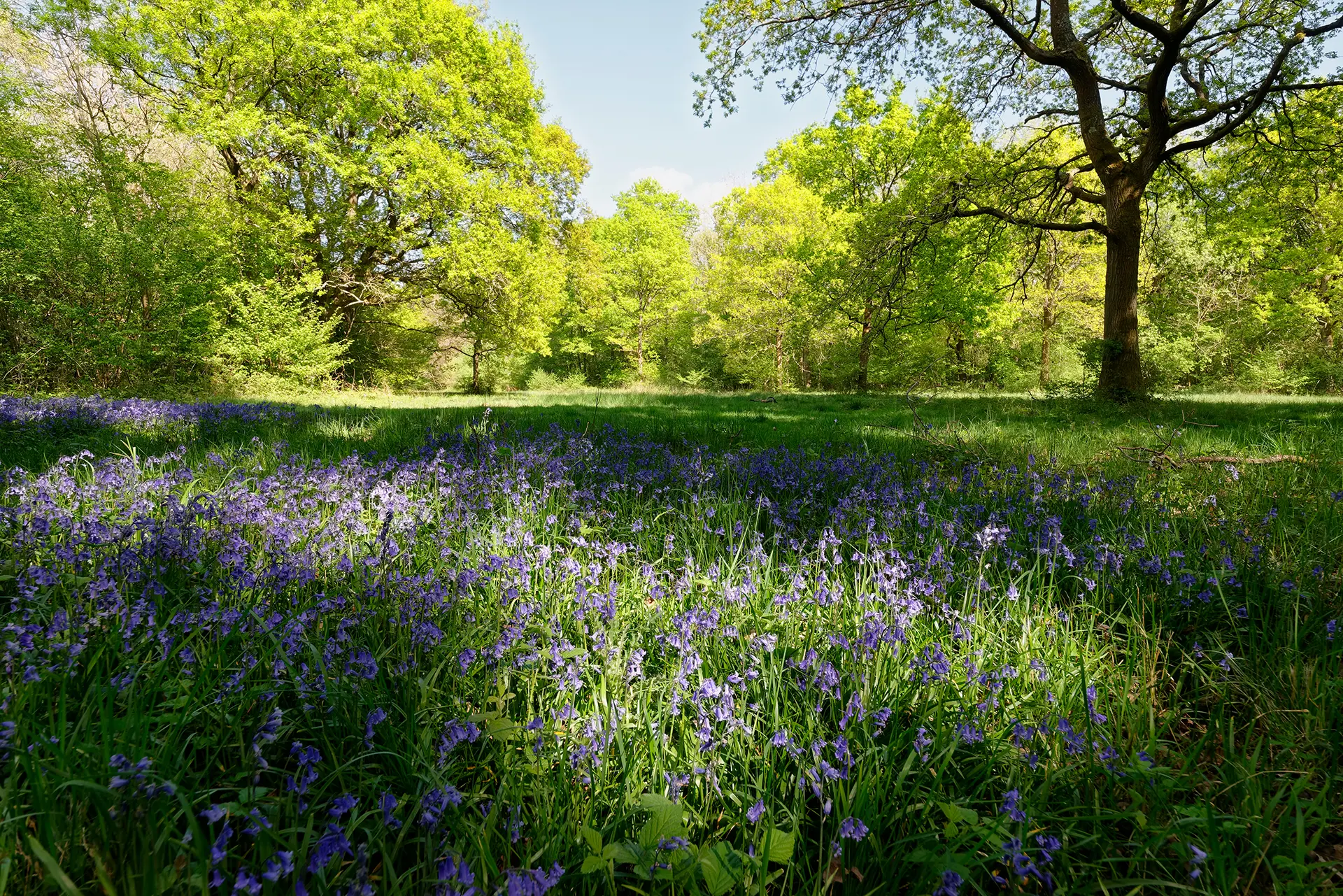
Lower Woods
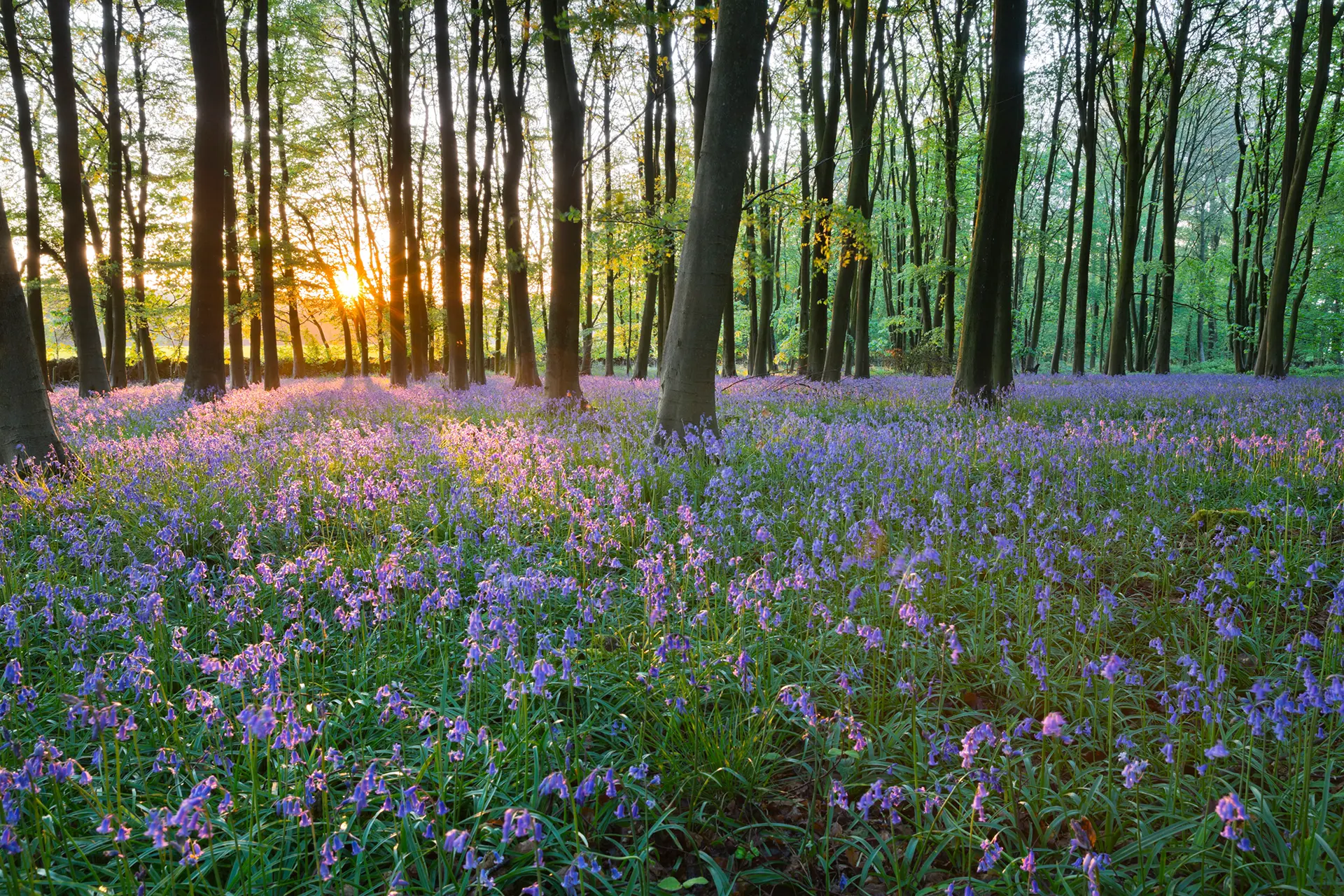
Lower Woods is one of the largest ancient woodlands in the South West and is renowned for its bluebells, early purple orchids, and 32 butterfly species, including the white admiral and marsh fritillary. Its rich woodland is home to over 2,500 species including hazel dormice, Britain's most elusive native mammal, and 57 different types of birds.
The state of our habitats and threats
Across the region, communities are seeing with their own eyes how wildlife is changing around them.

Habitats
Our habitats are under multiple, intensifying, and interconnected pressures.
.webp)
Climate change
Rising temperatures, shifting rainfall patterns, sea level rise, and more frequent extreme weather events are already altering the conditions that species and habitats depend on. In the Severn Estuary, rising sea levels, coupled with increasingly destructive storms, are accelerating coastal erosion and increasing flood risk. These changing conditions will have significant impacts on the estuary’s bird, fish, and subtidal populations.
.webp)
Agricultural intensification
Since the 1940s, farmers have been encouraged to intensify production using larger machinery and more fertilisers and pesticides. This has degraded soils, damaged fragile habitats, polluted water, and left farms exposed to extreme weather, pests and diseases.
.webp)
Changes in land use
Converting natural habitats to farmland and urban areas is a leading cause of biodiversity loss globally. Farming currently covers 57% of land in the West of England whilst our urban areas have grown 10% in the last decade.
.webp)
Pollution
Our water quality is affected by diffuse pollution from agriculture, urban run-off, septic tanks, and sewage discharges, creating a complex mix of pollutants including pharmaceuticals, microplastics, heavy metals, and excessive nutrients such as nitrates and phosphates. Phosphate pollution affects 69% of rivers and waterbodies in the Avon catchment, with 63% linked to sewage discharges. The West of England also has large urban areas with high levels of artificial light at night, disrupting wildlife including moths, migratory birds, bats, and other nocturnal insects.
.webp)
Barriers in waterways
There are hundreds of man-made barriers in the West of England’s rivers, including culverts, weirs and dams. These structures obstruct fish migration from the Severn Estuary through the Avon catchment, posing a serious threat to critically endangered European eel and Atlantic salmon populations.
Invasive species
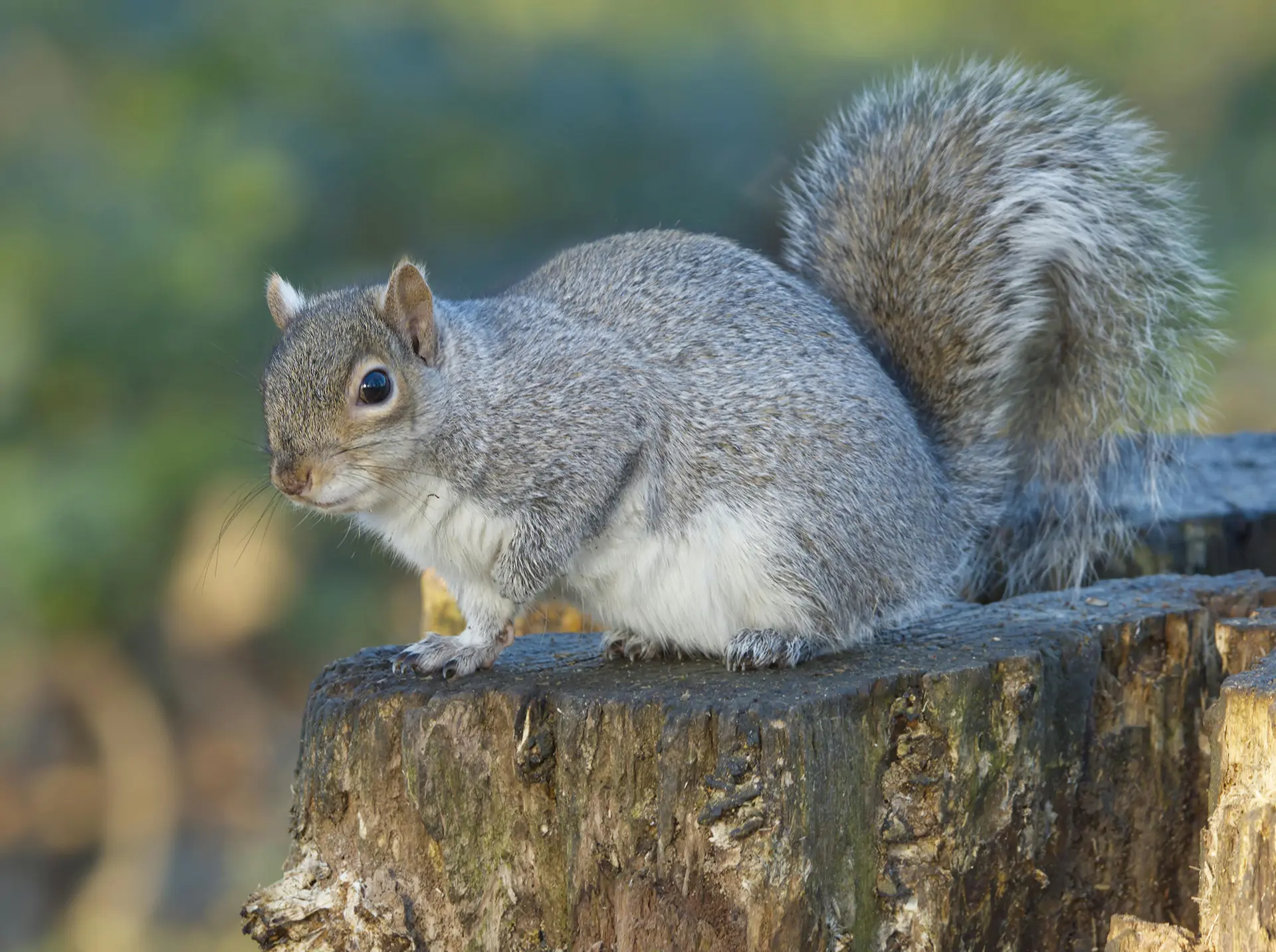
Many non-native species are harmless, but some become invasive and spread rapidly, harming native wildlife and habitats. Invasive non-natives are a serious threat to global biodiversity and in the West of England, key species include floating pennywort, grey squirrels, Himalayan balsam, muntjac deer, rhododendron, and cotoneaster.
.webp)
Nature divided by transport networks
Our wildlife must navigate over 3,000 miles of roads. Analysis in South Gloucestershire shows A, B and C roads in have split the area into 209 separate land fragments. Even with good quality habitat, this land will struggle to provide enough food, water, and shelter for wildlife or allow it freedom to move.
Species in the West of England
The intense pressures are having consequences for the wildlife in our region. Our species analysis shows that in the West of England region:
Species
European eel
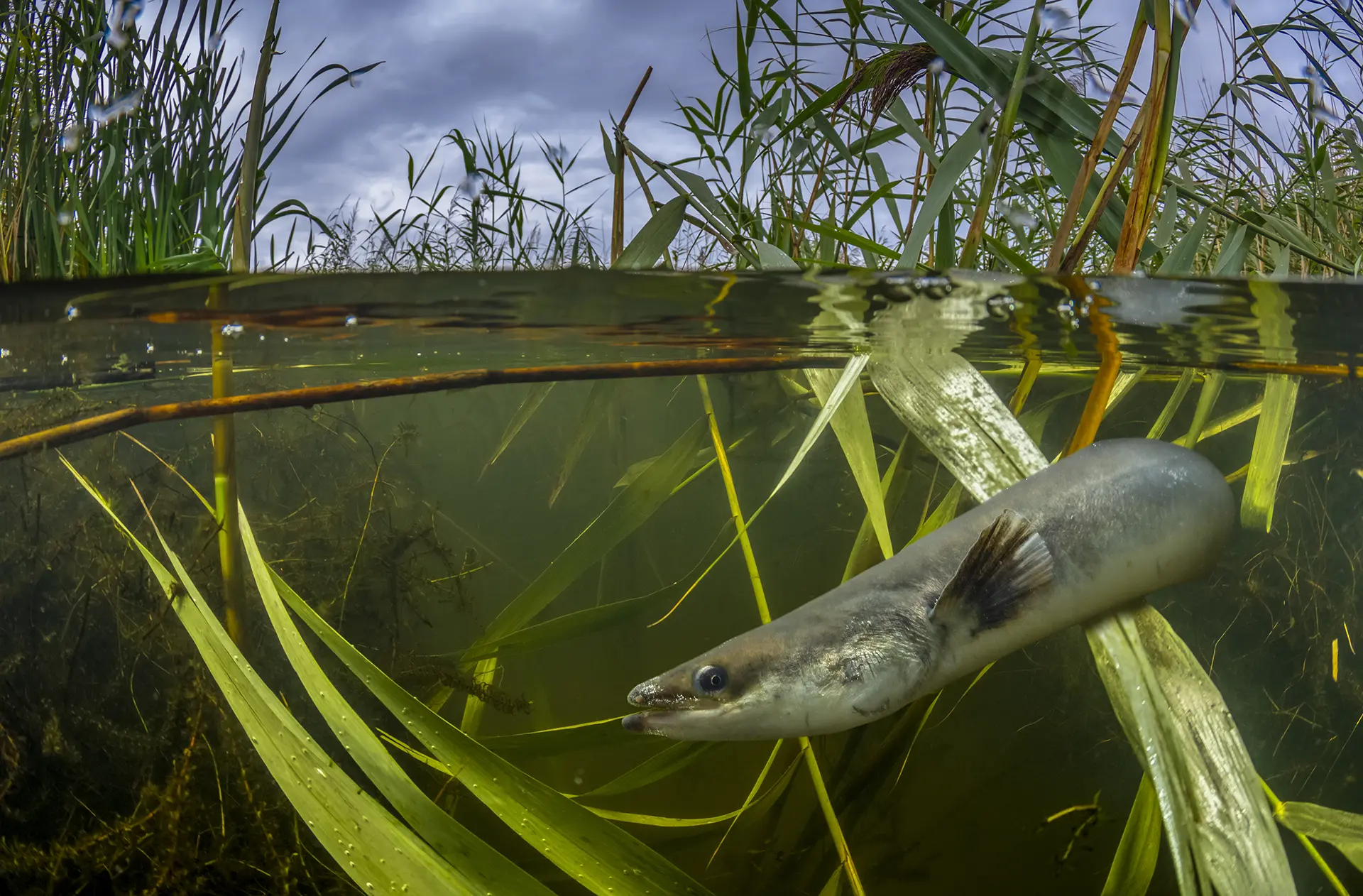
European eels are one of the most endangered UK species whose numbers have declined 21% per decade since 2000. They face threats from overfishing, poor water quality, dam building, climate change, and habitat loss.
Swift
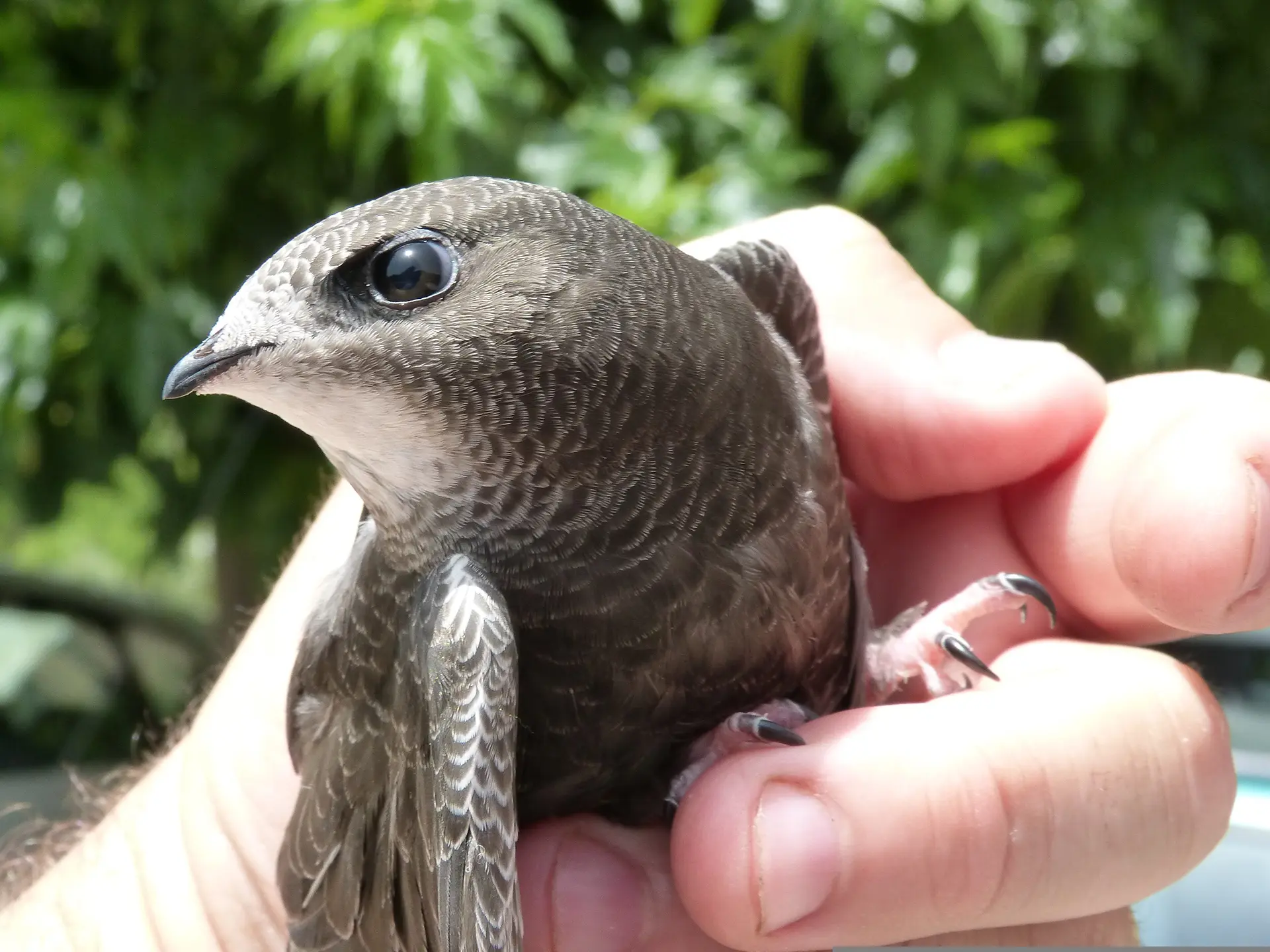
Swifts have declined sharply both locally and nationally, falling locally by 32% per decade since 2000. Steep declines in insect numbers and loss of traditional nesting nests, plus added stress from climate change, have caused populations to collapse.
Hedgehog
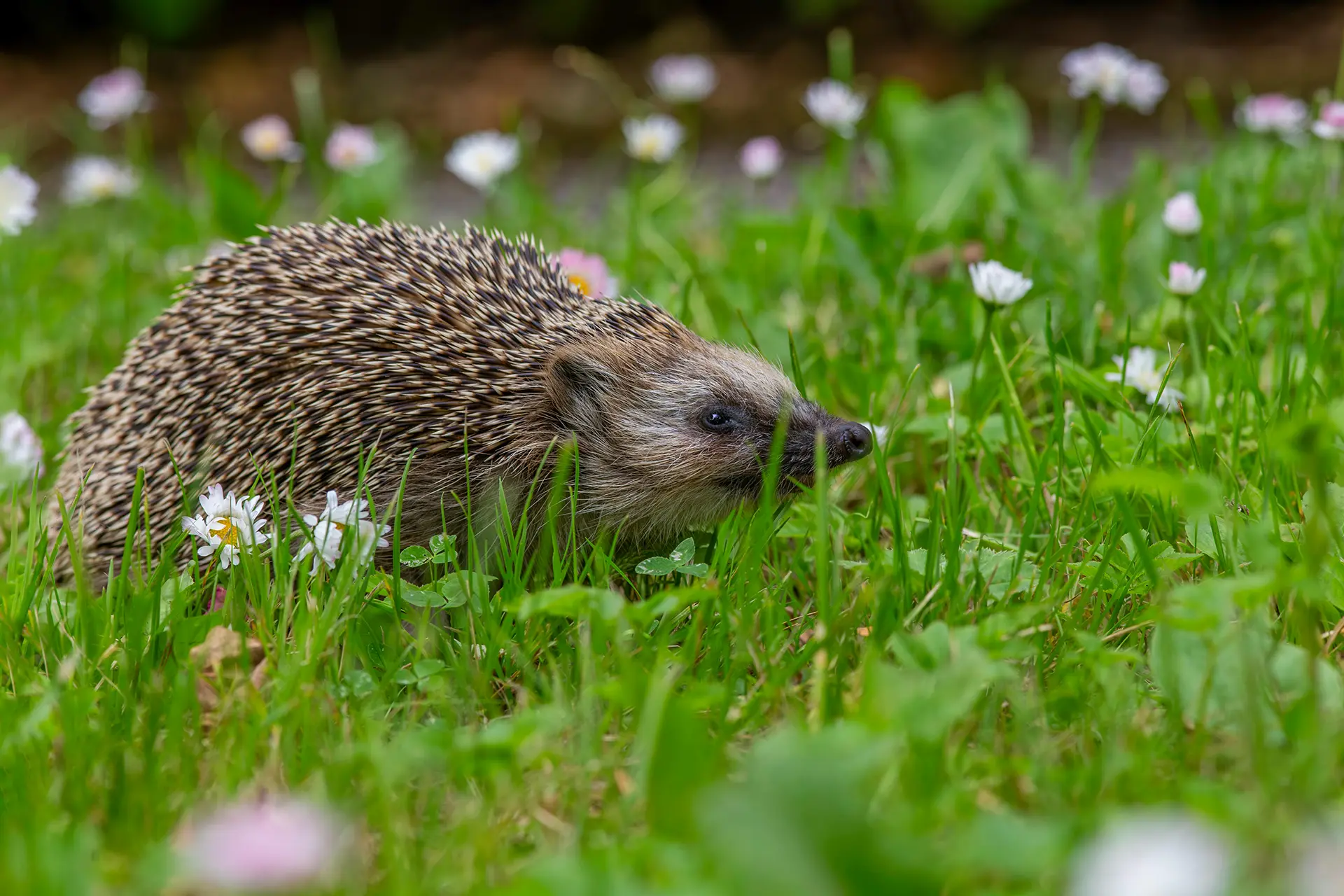
Nationally, hedgehogs declined significantly between the 1980s and 2000s, although connected gardens with compost heaps and supplementary food is helping some urban populations stabilise. Roads are major risk with between 167,000 and 335,000 hedgehogs killed on UK roads each year.
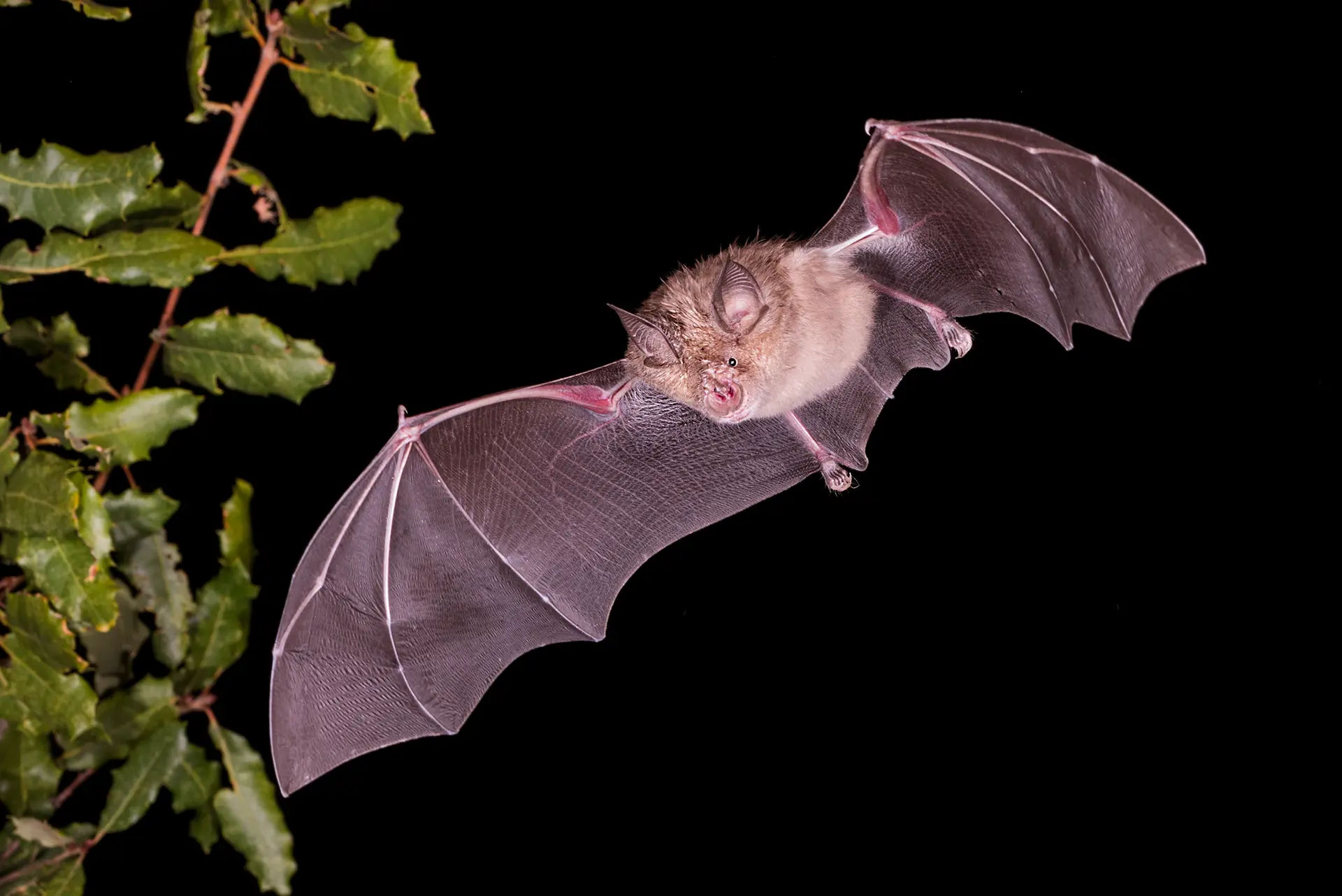
Bats
Positively, our greater horseshoe bats have increased 76% per decade since 2000, while lesser horseshoe bat populations have remained stable. However, the noctule bat is still declining, owing to declines in insect prey numbers, loss of feeding habitats, and the loss of roost sites in mature trees.
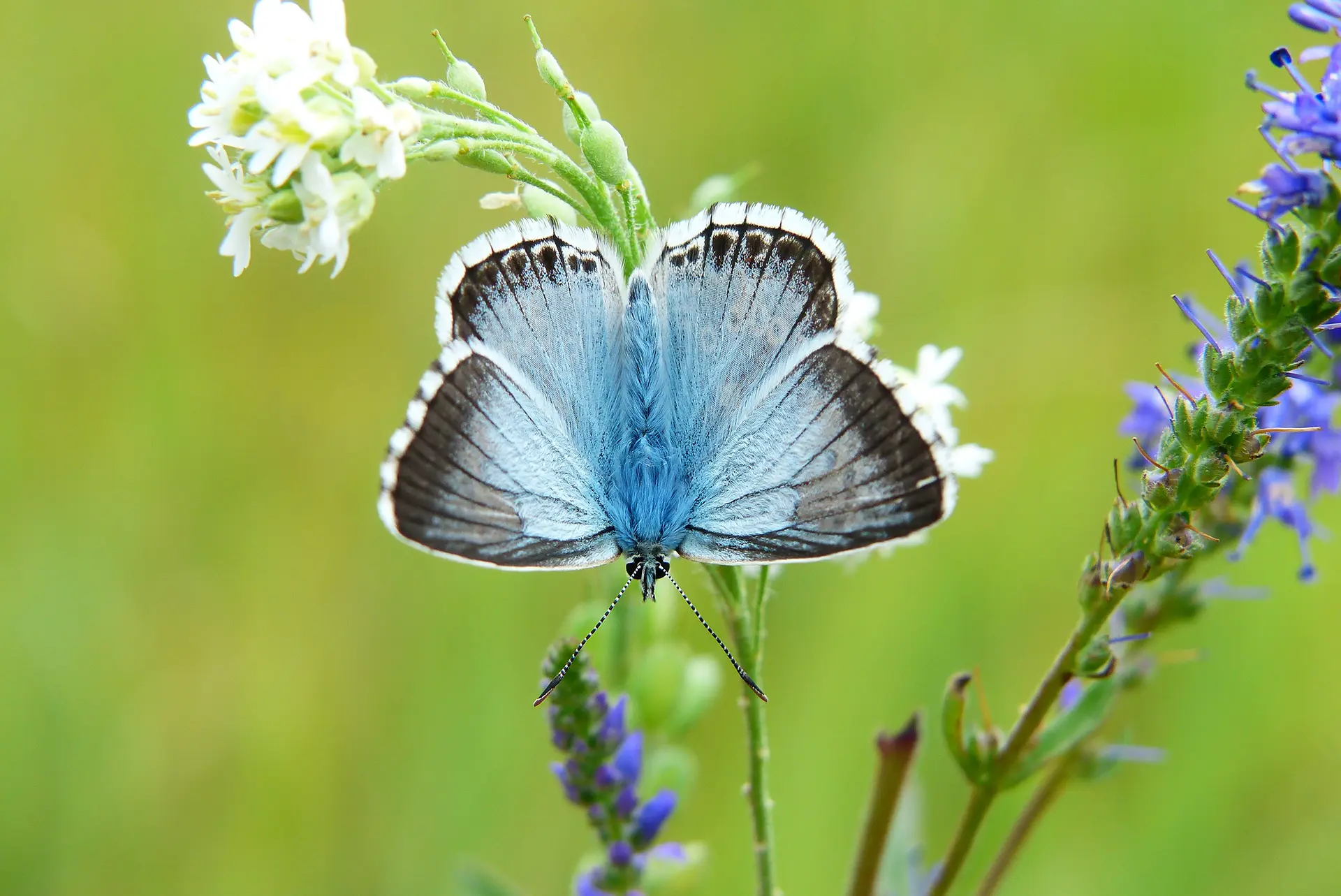
Chalkhill blue butterfly
Regionally, 30% of our grassland butterfly species are declining, with some of the strongest declines seen in the chalkhill blue. The major factors are agricultural intensification involving heavy use of fertilisers and herbicides, and converting grasslands to arable fields, plus added stress from climate change.
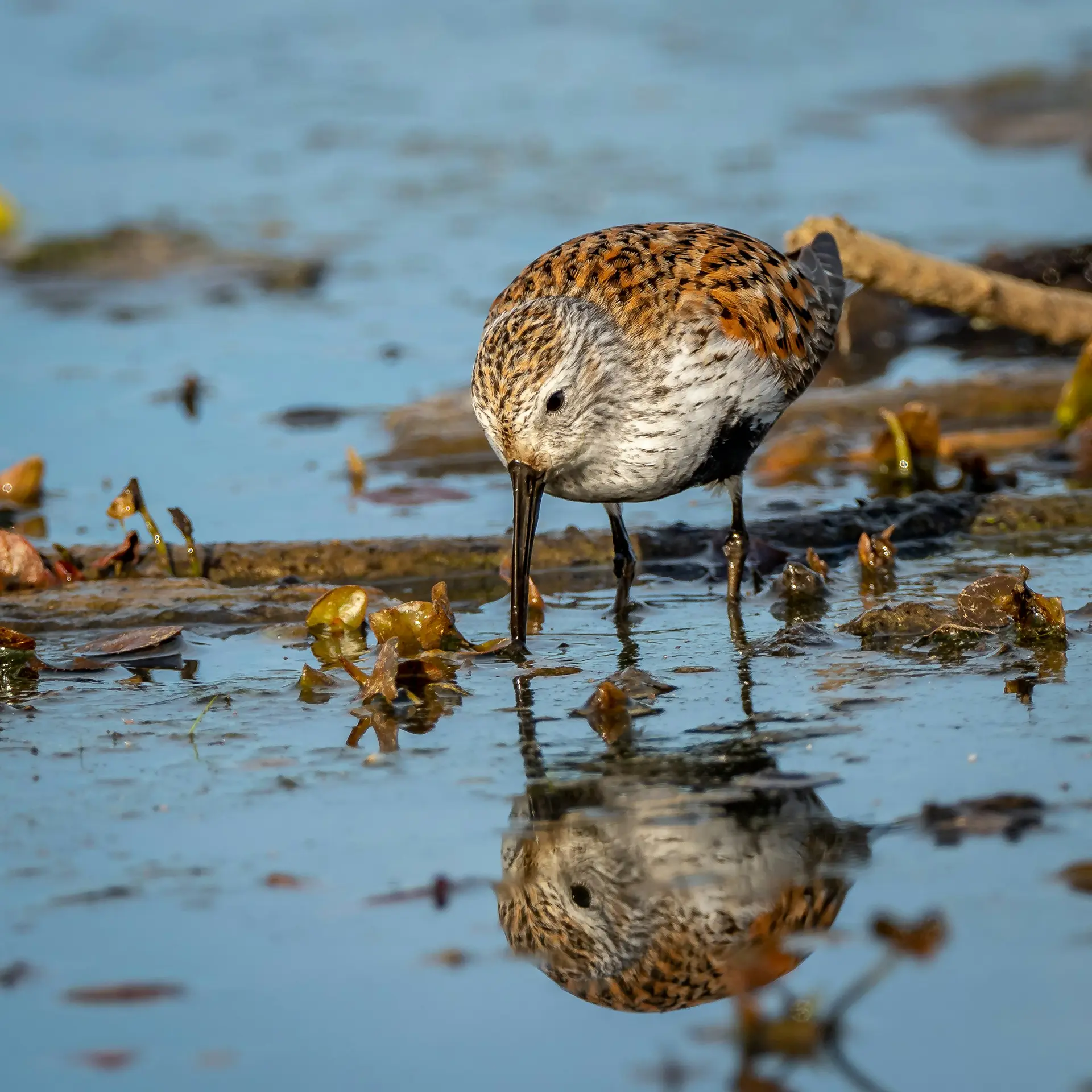
Dunlin
The Severn Estuary supports internationally important populations of migratory species, including the dunlin, which flock to the Estuary and its surrounding wetlands in Autumn. Since 2021, Dunlins are listed on the UK Red List owing to worsening declines in non-breeding wintering populations. Locally, dunlin populations have fallen 32% per decade since 2000.
The value of nature
A recent UK National Security Assessment on biodiversity loss concluded that ecosystem degradation threatens the UK’s national security, particularly through impacts on food security, economic stability, and geopolitical competition for resources. Although our wildlife and habitats provide essential services that underpin our economy, they are often taken for granted. Nature cleans our water and air, produces food and raw materials, protects us from the impacts of extreme weather, and supports healthy lives through places of calm, connection and exploration.
If we act now there is still hope
Reconnecting and restoring habitats
Wildlife can be supported through a variety of tried and trusted methods, which have many added benefits for our communities and businesses.
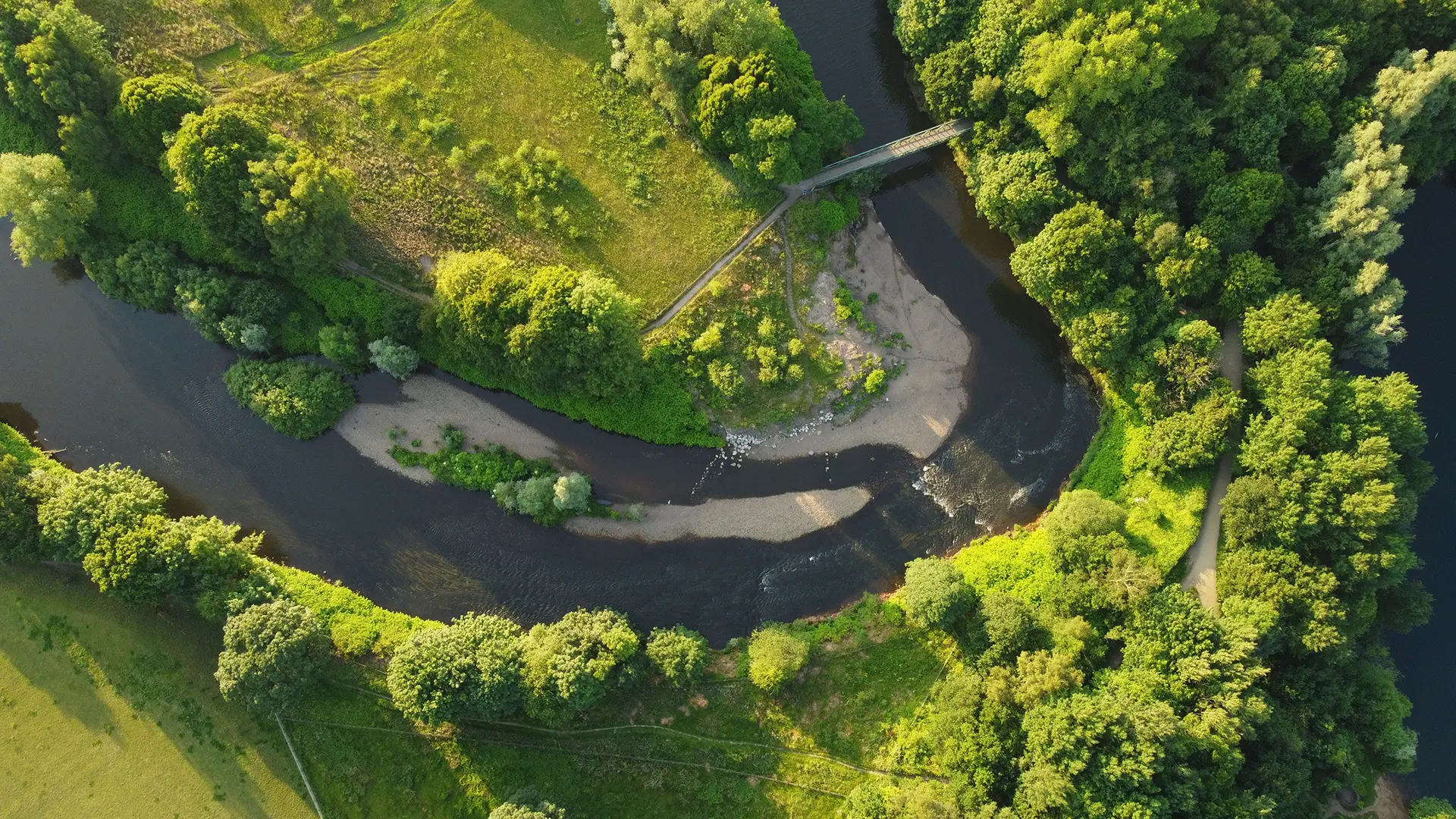
Re-wiggling rivers
Many of our rivers have been straightened and disconnected from their floodplains over time. Restoring natural bends, wetlands, and floodplain connections helps slow water flow, reduce flood risk, and brings rivers back to a more natural state. These rivers have a mix of slow-flowing and turbulent areas that offer a richer variety of habitats for diverse wildlife.
.webp)
Restoring native hedgerows
Native hedgerows provide food, shelter, and safe commuting routes for wildlife to move through the landscape. They support pollinators and provide natural pest control, reduce soil erosion, slow water runoff, and provide shelter for livestock, making them valuable for both nature and farming.

Wildlife friendly gardening
Britain’s 20.6 million gardens cover an area more than three times the size of UK’s National Nature Reserves, yet almost half are buried under paving. In the West of England, gardens cover 11,235 hectares, more than 8% of our land area, representing a vast opportunity for nature recovery. The UK’s gardens support over half our butterfly, amphibian, and reptile species, while also benefitting mental, physical, and social wellbeing.
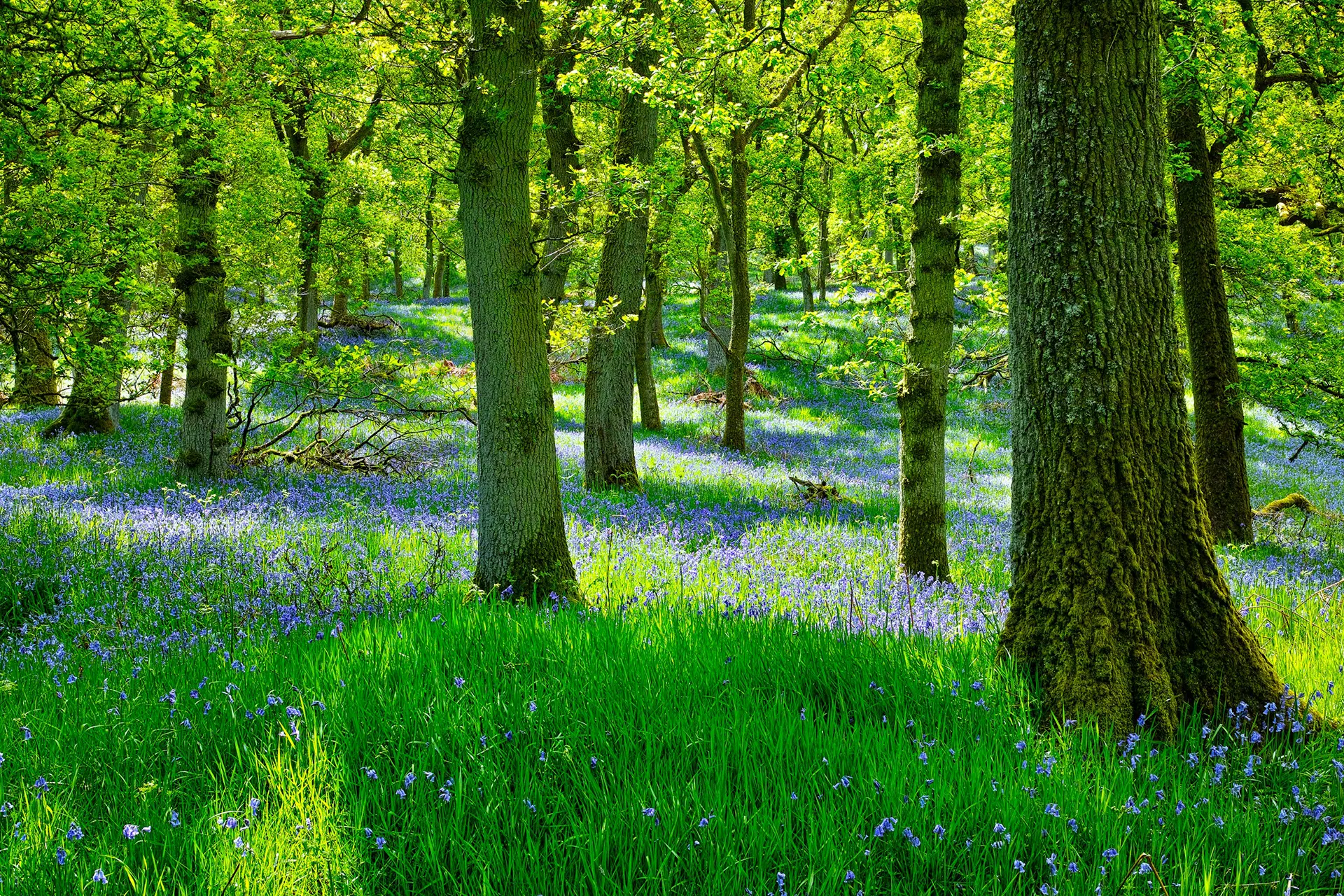
Growing and restoring woodlands
As well as being one of our most important habitats, woodlands help capture carbon, reduce flood risk, improve air and water quality, provide places for recreation and relaxation, and are a source of sustainable timber production. Bristol’s 600,000 trees alone remove 14,000 tonnes of carbon dioxide annually, equivalent to 3,266 petrol cars driven for one year.
.webp)
Conservation grazing
Grazing animals, like cattle and ponies, can help maintain species-rich grasslands and other wildlife habitats. With the right management, their grazing creates a varied mosaic landscape with space for wildflowers, insects, birds, and mammals, often providing a more effective alternative to mechanical management. However, overgrazing with too many animals can lead to the loss of precious grassland habitats.
Taking action
Inspiring stories are emerging from all corners of the region – examples of communities, farmers, business and volunteers reconnecting natural corridors and restoring the habitats around them.
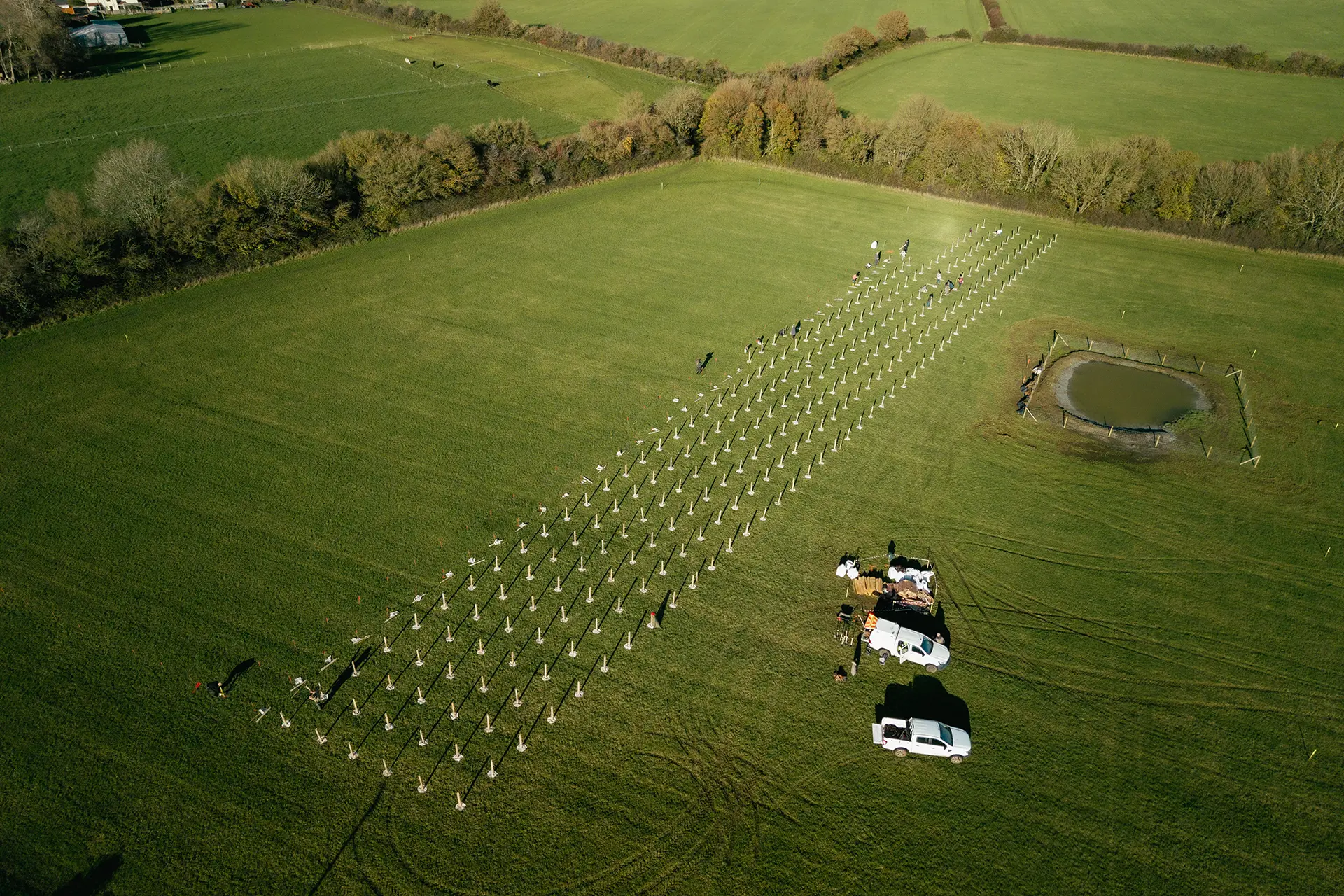
Western Forest
The Western Forest is the UK’s first new national forest in 30 years, spanning Gloucestershire, Wiltshire and the West of England. Its vision is a thriving landscape of woodlands, farmland, and communities connected by trees. By 2050, the project will plant 20 million trees, landscape-scale change and major green investment.
.webp)
Chew, Cam and Wellow Farm Clusters
The Bristol Avon Rivers Trust is bringing farmers and landowners together to share knowledge, receive expert tailored support, and restore nature across the Cam, Wellow and Chew catchments. as This is part of their Farm Clusters project to foster sustainable agriculture and has been funded by the West of England Combined Authority.
.webp)
Healthier with Nature
Healthier with nature was part of a national programme funded by the UK Government and NHS, delivered across seven test and learn sites in England. The programme supported people to improve their health and wellbeing by connecting them to nature-based activities through social prescribing.

Mobilising Nature
Five locations along the region’s motorways have been identified as high-impact wildlife crossings, to help connect critical wildlife corridors. South Gloucestershire Council and Bristol Zoo have been recording animals using wildlife corridors to better understand our regional nature connectivity.
Linking the Levels
Linking the Levels is a programme spanning 17,000 hectares between the Severn Estuary and the M5. It aims to restore the estuary’s wetlands and increase climate resilience, working closely with local communities. Wildlife surveys are already underway, alongside plans for projects to tackle invasive species and restore habitat for rare wildlife, including the critically endangered European eel.
.webp)
Bristol Nature Together
Eastside Community Trust, Bristol Older People’s Forum, and Lockleaze Neighbourhood Trust have each secured £100,000 to deliver community-led nature projects by 2027. This funding will support urban wildlife and improve access to local green spaces. A new scheme for community planting across Bristol City Council land is also planned.
Local Nature Recovery Strategy
The West of England was the first region in England to publish its Local Nature Recovery Strategy. This strategy sets out the local priorities for nature, and maps ‘focus areas’ where action for nature would have the biggest impact. This strategy forms the foundation for nature recovery in the West of England and over time, it will combine with similar strategies across England to create a national nature recovery network.
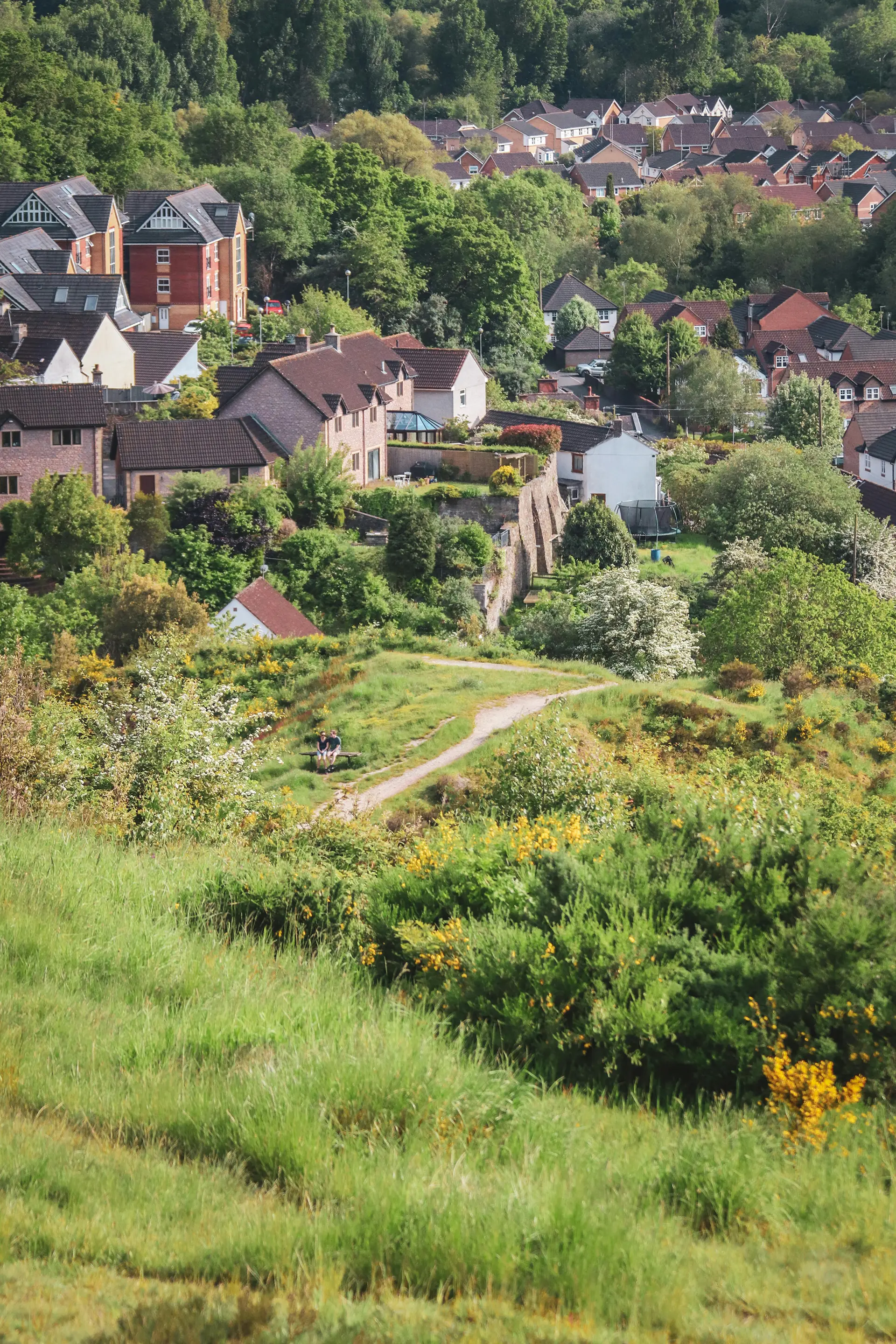
Our most important sites for nature have been designated or protected by law, such as Ramsar sites, National Nature Reserves, and Sites of Special Scientific Interest. This includes the region’s network of more than 850 Local Wildlife Sites, also known as Sites of Nature Conservation Interest, which cover around 13% of the West of England’s land area. These sites form a mosaic of vital sanctuaries for wildlife, which act as stepping stones for wildlife across the landscape, whilst playing important roles in managing air quality, water quality and climate resilience.
The Vision
We want the West of England to be a place of re-connected landscapes where people and nature can thrive side by side, through a joined-up network of natural habitats and wildlife corridors, and greener, more resilient neighbourhoods, wherever we live.
Get Involved
.webp)
Forest of Avon
Get funding to cover the full cost of tree planting on your land, with dedicated support from the Forest of Avon team
Wildlife Index
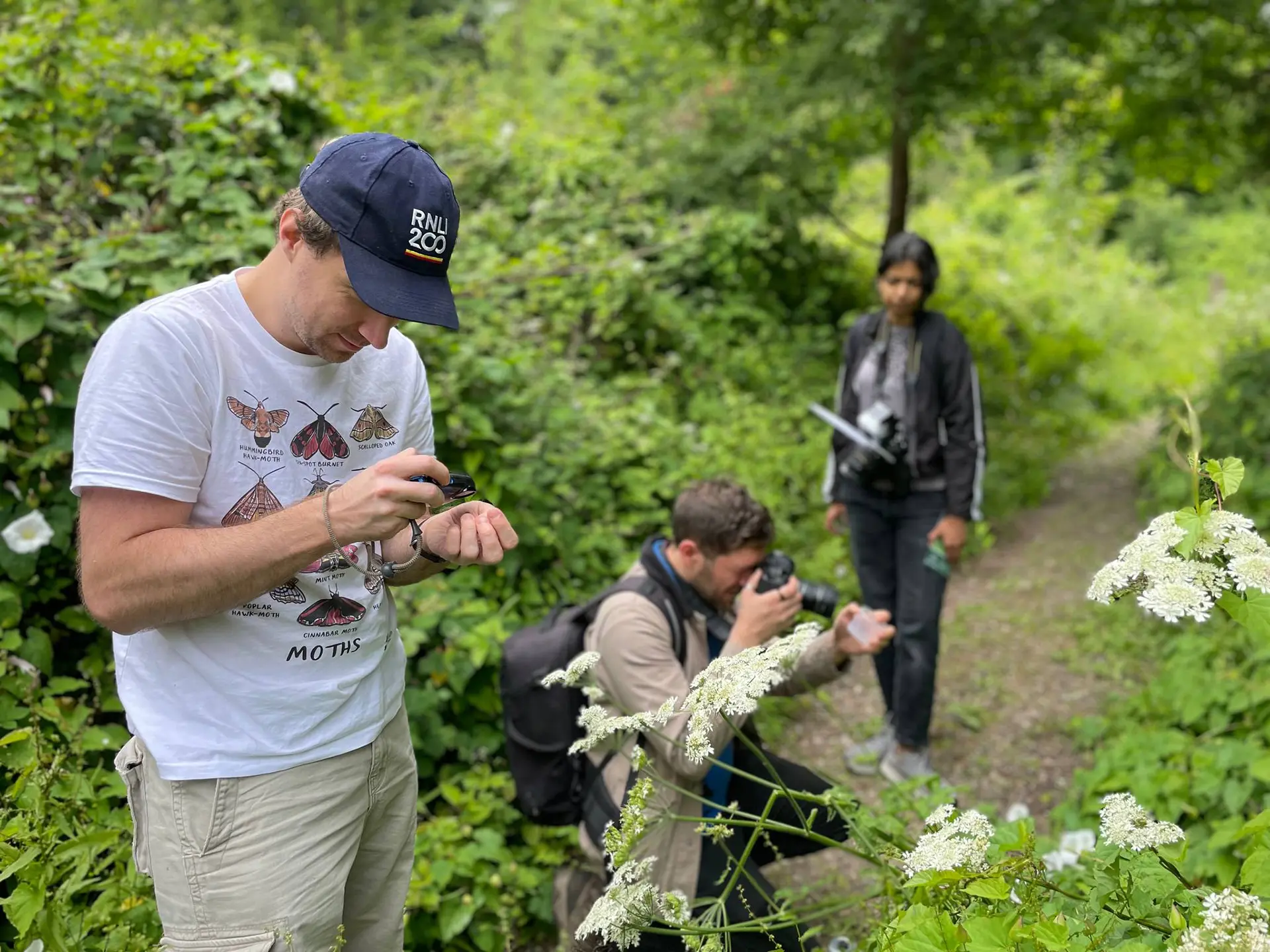
Help monitor wildlife across the West of England by taking part in surveys of bees, butterflies, plants and wetland birds. Your contribution will help build a picture of how nature is changing across the region.
.webp)
Avon Wildlife Trust
Join Team Wilder, a growing movement of people taking action for nature in their local communities. Share your activities on the Team Wilder map to inspire and encourage others
.webp)
Western Forest
Access fully funded support to plant trees, improve your woodlands, and learn how trees and woodlands can benefit your land, business or community.
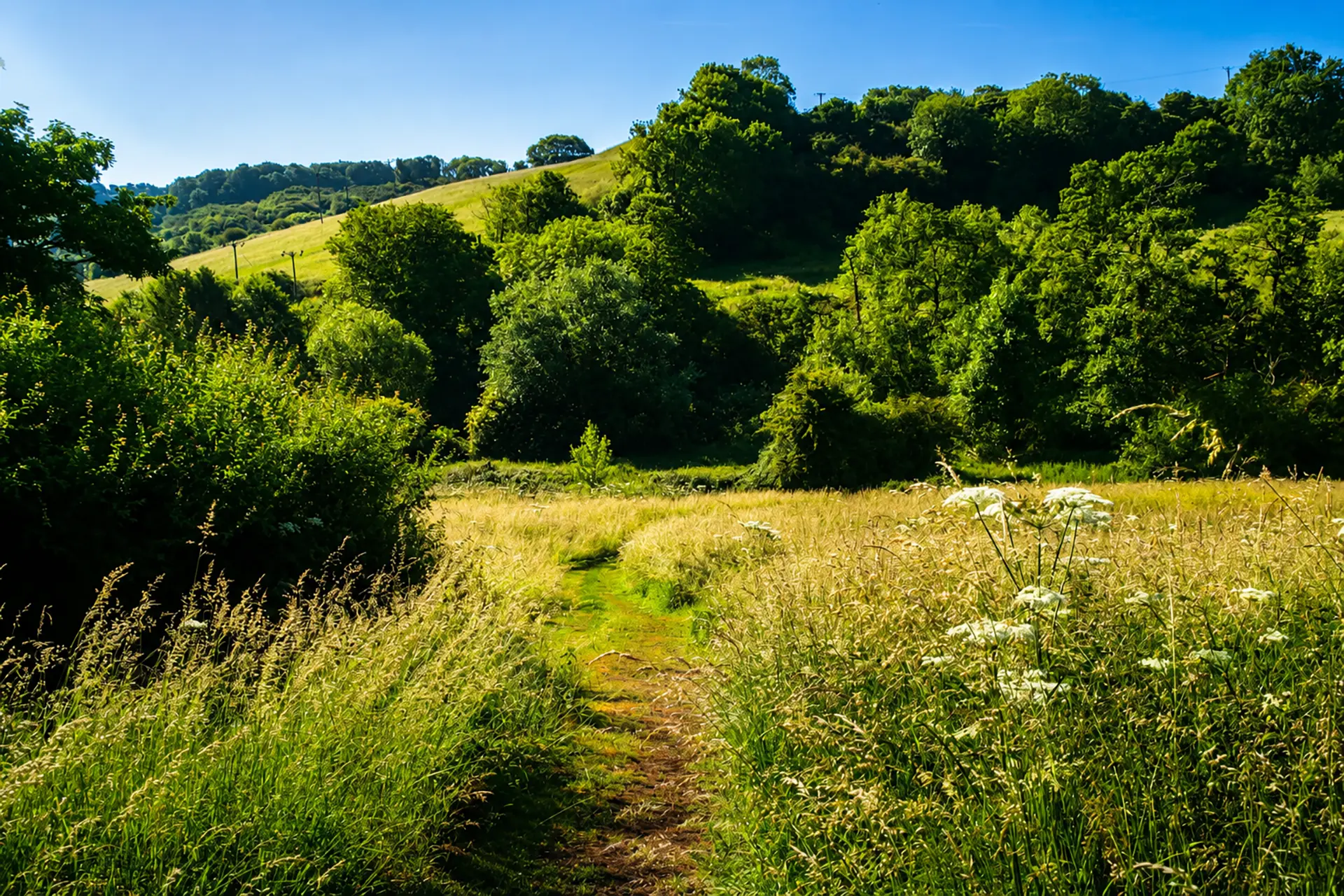
Somer Valley Rediscovered
Get involved in habitat management, wildlife surveys, river monitoring and community events across the Somer Valley. Help make a real difference for nature recovery in your local area.
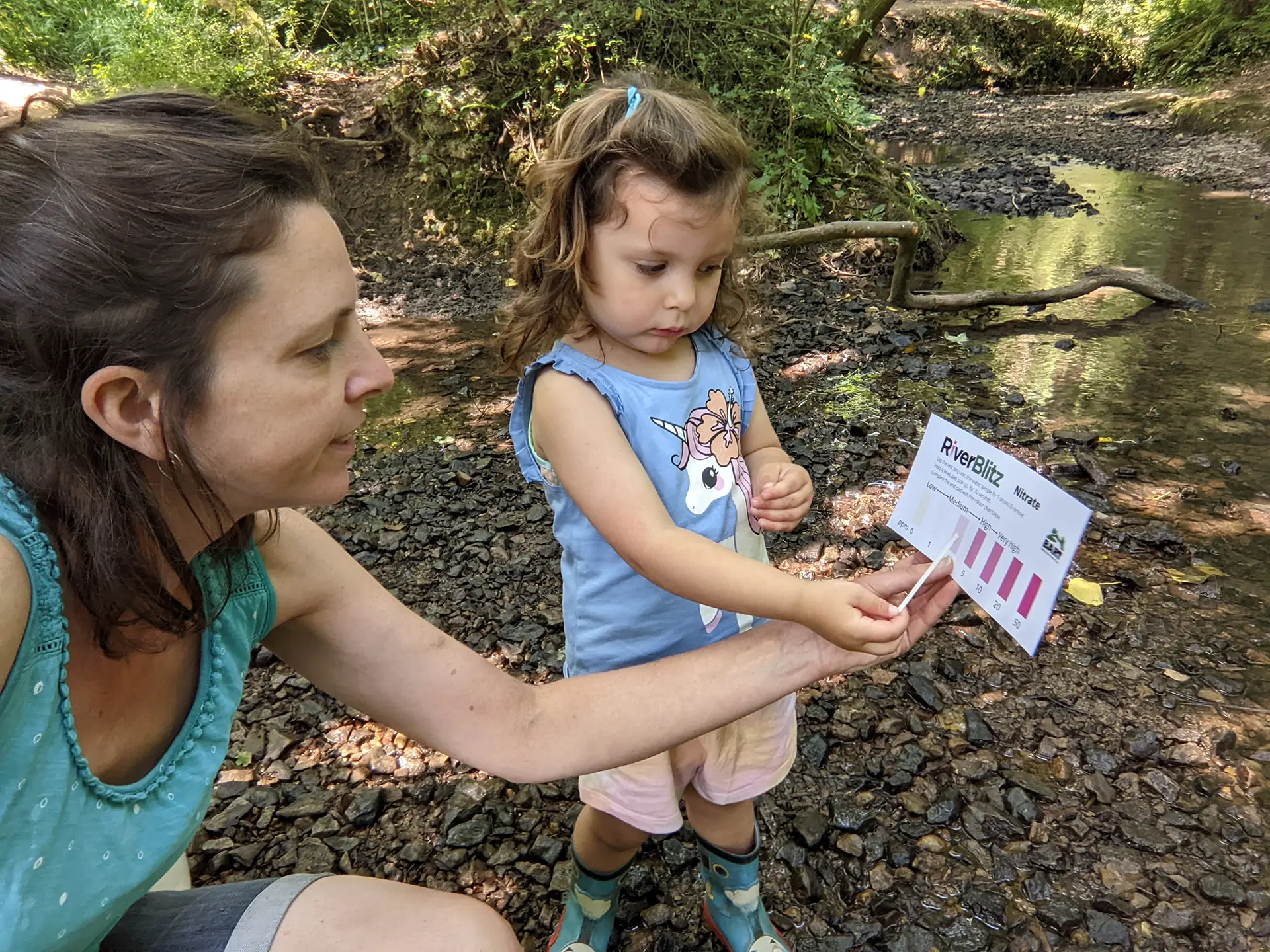
RiverBlitz
Take part in Bristol Avon Rivers Trust's RiverBlitz from 25 July to 2 August and help collect water samples from local rivers and streams. Your contribution will help provide a valuable snapshot of water quality across the Avon catchment.
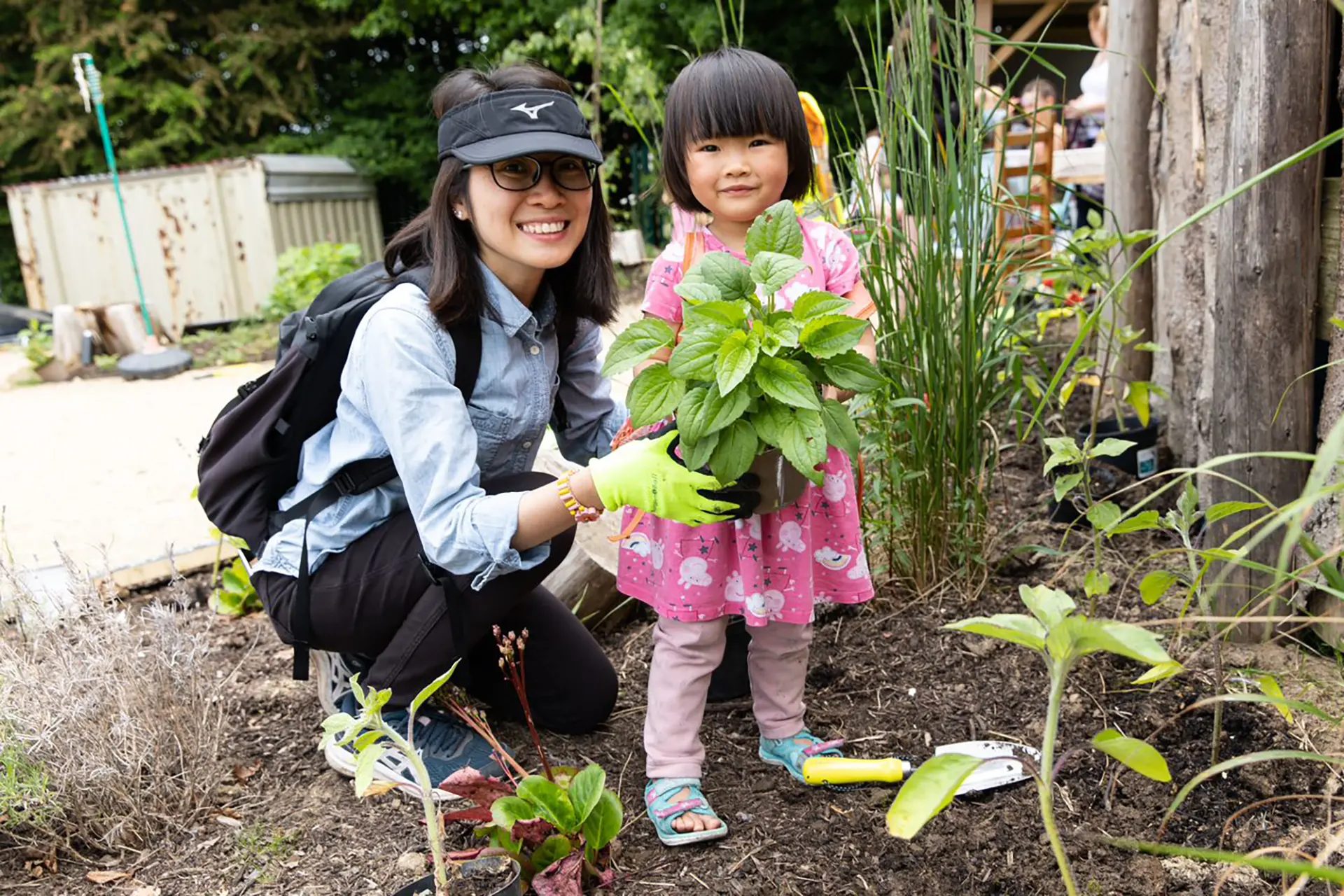
Community Spaces Network
Join South Gloucestershire’s Community Spaces Network and help care for local green spaces and nature in South Gloucestershire. The Network includes local green space Friends groups, nature groups, wildlife special interest groups, Public Rights of Way volunteers, and ‘In Bloom’ groups.
.webp)
Investing in Climate and Nature
Support nature through ICaN; a South Gloucestershire initiative raising money for projects that deliver nature recovery, community value, and build climate resilience. This ensures local spaces work better for nature, people, and the local economy.